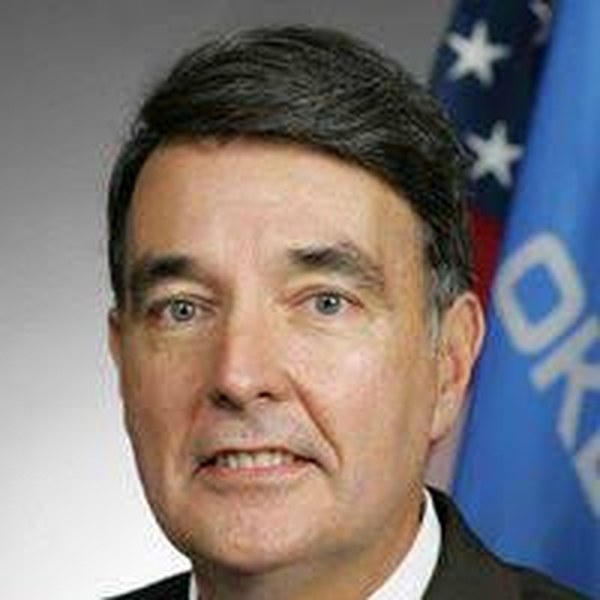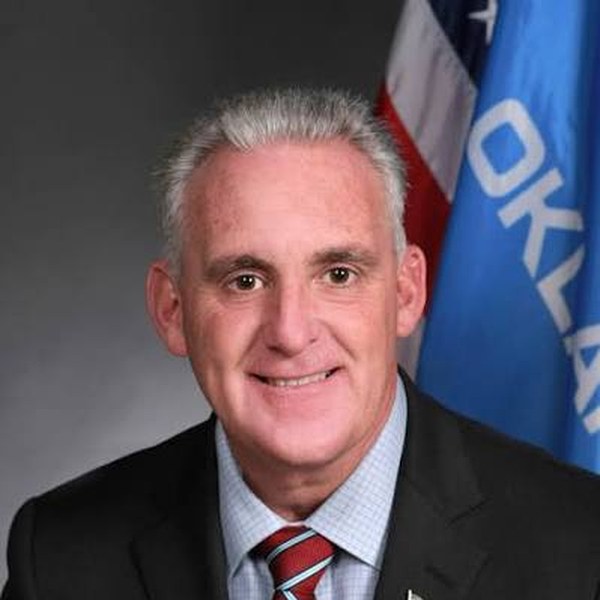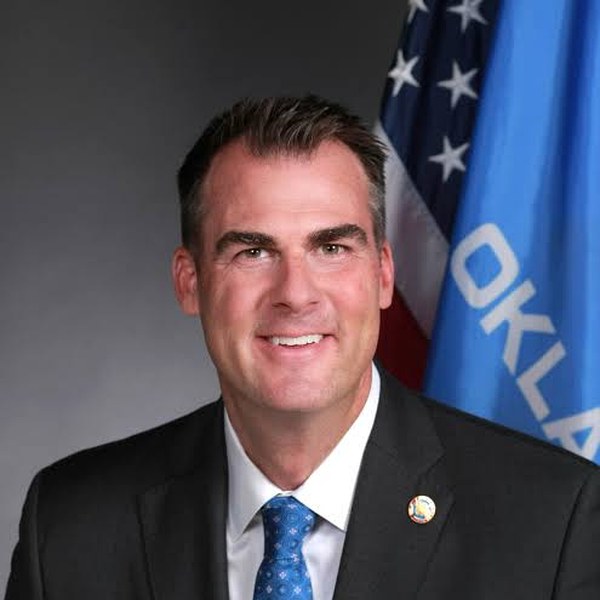
Senate Bill 239 of the 2015 Oklahoma legislative session was authored by two physician-legislators: Senator Ervin Yen, M.D., an Oklahoma City cardiac anesthesiologist representing Senate District 40, and Representative Doug Cox, M.D., a Grove emergency physician representing House District 5. It was reportedly the first time in Oklahoma legislative history that two practicing physicians co-authored a bill.
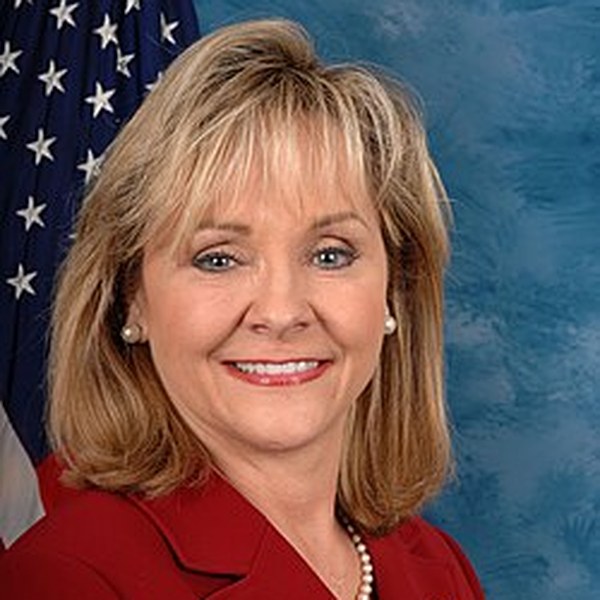
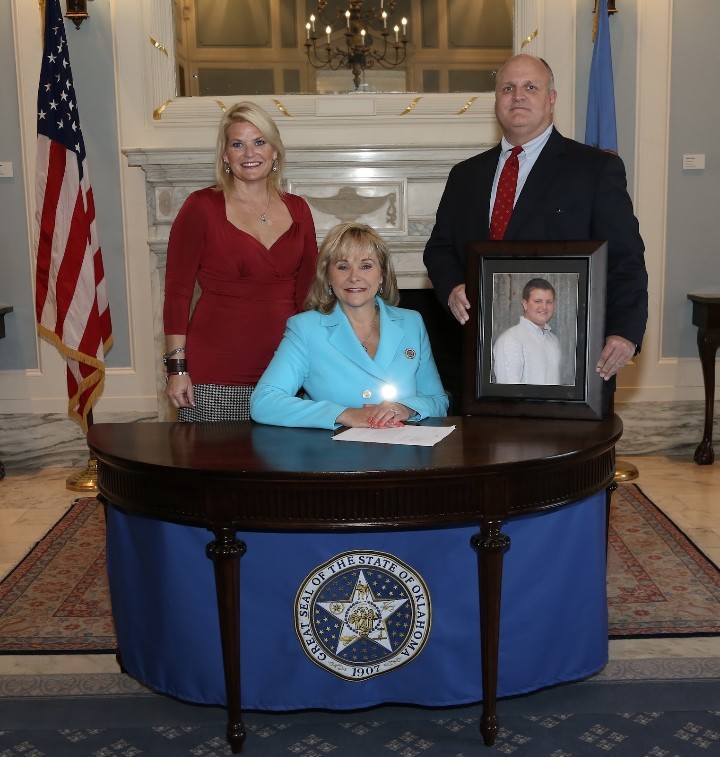
The bill moved through committee with bipartisan support and passed both chambers of the Legislature without significant opposition. Governor Mary Fallin signed it into law in a ceremony in the Blue Room of the Oklahoma State Capitol on June 10, 2015. Chase's family was present, with his portrait. The law took effect on July 1, 2015 and is codified at Title 70, Section 24-156 of the Oklahoma Statutes.
What the original Act required
SB 239 required the Oklahoma State Department of Health and the Oklahoma State Department of Education to jointly develop sudden cardiac arrest information for distribution to schools statewide. The legislation was deliberately educational rather than mandatory. As Mike Morris told the press at the time: "It is not a mandate for screening — it's an educational bill."
The Act required schools to provide an information sheet on sudden cardiac arrest to student athletes and their parents, to be reviewed and signed prior to participation in athletic activity. The bill contemplated annual review of the materials and addressed the role of school personnel in recognizing the warning signs.
Why "educational rather than mandatory" mattered
The decision to write an educational bill rather than a screening mandate reflected a careful reading of the political and clinical landscape. Universal mandatory screening of student athletes is not, even today, the position of the American Heart Association, which has cited cost and the risk of false positives as concerns. Parent Heart Watch — the national umbrella organization for SCA prevention nonprofits, of which the foundation is a member — issued a formal statement in February 2026 reaffirming its position against mandatory ECG screening, while supporting screening that is voluntary, well-informed, and properly resourced.
The Chase Morris Foundation's position is consistent with that consensus: screening should be available, accessible, and well-informed; legislation should empower families and educate schools, not mandate medical decisions over the heads of either. SB 239 reflects exactly that position.
Liability protection for schools
Subsection (J) of the codified Act provides that the law creates no civil liability for schools, school districts, or their employees for actions taken in good faith to comply with its provisions. This was an important provision for legislative passage and remains an important provision for ongoing compliance. Schools are protected when they distribute the materials, when they recognize warning signs, and when they respond to a cardiac event in accordance with their emergency response plan.