On May 20, 2013, sixteen-year-old Chase Morris — an honor student, athlete, and son — collapsed at home in the middle of an ordinary evening with his brothers. There were no advance symptoms. No prior warning. An undiagnosed enlarged heart took him in seconds. The foundation that bears his name exists so that other Oklahoma families never receive the call we received.
We raise awareness of sudden cardiac arrest in young people, partner with cardiologists to provide heart screenings to Oklahoma students, and champion the state law that carries Chase's name.
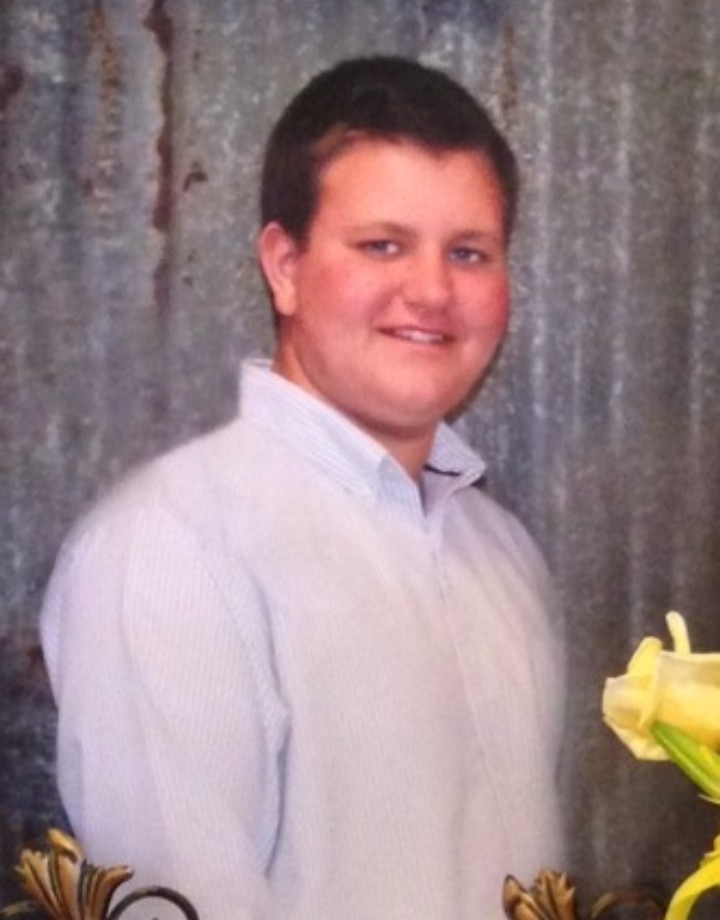
Michael Chase Morris was born July 1, 1996, the second of three brothers in a close-knit Oklahoma family. He played football, basketball, and baseball before discovering the sport that would define his high school years — tennis, where he placed sixth in the Oklahoma state doubles tournament just two weeks before his death.
Chase died the night of May 20, 2013, after a full day of school and athletic activities. At sixteen years old, six-foot-two, two hundred and fifty-two pounds, he seemed by every measure to be a healthy young athlete. An autopsy revealed hypertrophic cardiomyopathy — an enlarged heart — that had never been diagnosed.
The condition that took him is one of the leading causes of sudden cardiac death in young athletes in the United States. With a screening protocol that includes an electrocardiogram and an echocardiogram, it is also one of the most consistently detectable.
"What's worth doing in life is worth doing with passion." — Chase Morris
Sudden cardiac arrest sometimes gives warning. In a young person, do not dismiss any of the following — and do not let a coach or trainer dismiss them either:
Any of these signs in a young person warrants evaluation by a cardiologist. Do not wait for the next physical.
Source: National Institutes of Health; American Heart Association.